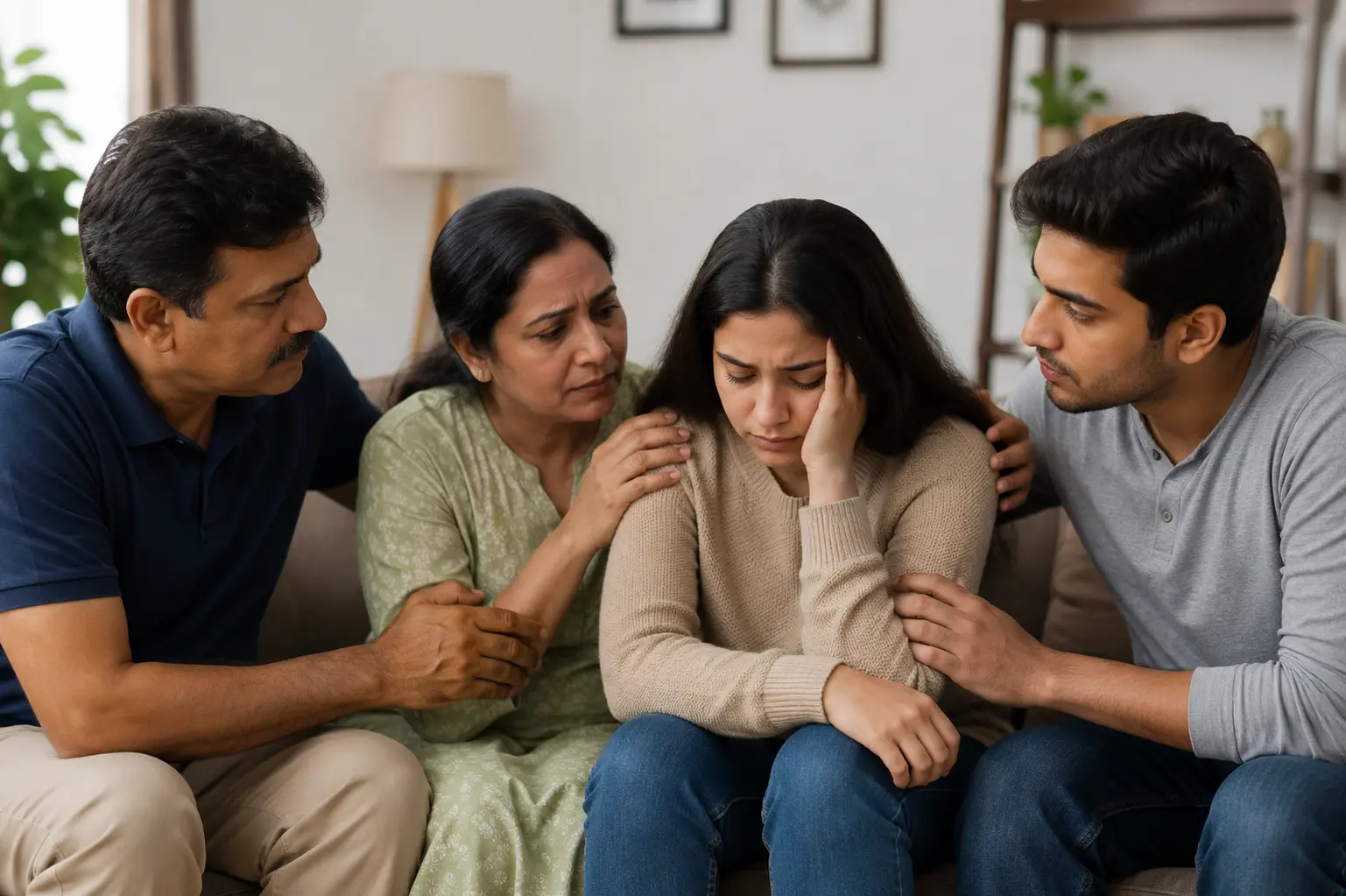
Mental illness doesn't just affect the individual — it touches the entire family. When a loved one begins psychiatric treatment, the people around them play a critical role in recovery. Understanding how to offer the right kind of support can make the difference between a smooth healing journey and a difficult one. At VRC Hospital Vettom, widely regarded as the best mental hospital in Malappuram, our care teams work closely with families to ensure that support at home complements clinical treatment.
This blog explores practical, compassionate ways families can help a member through psychiatric care — from the first diagnosis to long-term recovery.
Why Family Support Matters in Psychiatric Recovery
Psychiatric conditions such as depression, anxiety, bipolar disorder, and schizophrenia often carry emotional weight not just for the patient but for parents, spouses, siblings, and children too. Research in psychiatric rehabilitation consistently shows that patients with strong, informed family support have better treatment adherence, fewer relapses, and improved overall quality of life.
At VRC Hospital Vettom, our psychiatrists and counselors emphasize that recovery is rarely a solo journey — it's a shared process between the patient, the treating team, and the family. This is one of the reasons families across the district consider us the best mental hospital in Malappuram for holistic, family-inclusive psychiatric care.
1. Educate Yourself About the Condition
One of the most powerful things a family can do is learn about the specific mental health condition affecting their loved one. Understanding symptoms, triggers, and treatment expectations helps reduce fear and stigma at home.
- Ask the treating psychiatrist direct questions during consultations
- Read reliable, medically reviewed material rather than relying on assumptions
- Attend family counseling sessions offered by the hospital
At VRC Hospital Vettom, family education sessions are built into the treatment plan, helping relatives understand conditions like depression, anxiety disorders, and psychosis in a clear, non-judgmental way.
2. Practice Patience and Avoid Blame
Psychiatric symptoms are not a matter of willpower. Statements like "just snap out of it" or "why can't you be normal" can deepen shame and withdrawal. Families supporting a loved one should:
- Avoid criticizing behavior that stems from the illness itself
- Separate the person from the symptoms they're experiencing
- Respond with patience even during difficult episodes
This kind of emotionally safe environment is one of the core principles taught to families by the counseling team at the best mental hospital in Malappuram.
3. Encourage Consistency in Treatment
Missed medications, skipped therapy sessions, or inconsistent follow-ups are among the leading causes of relapse in psychiatric patients. Families can help by:
- Creating a simple daily routine around medication timings
- Accompanying the patient to follow-up appointments
- Gently reminding, without nagging or controlling
The psychiatric team at VRC Hospital Vettom often provides families with a structured treatment calendar to make this process easier to track at home.
4. Communicate Openly — But Without Pressure
Open communication doesn't mean constant questioning. It means creating space where the person feels safe to share, without being forced to talk before they're ready.
- Ask open-ended questions like "How are you feeling today?" instead of "Are you okay?"
- Listen without immediately offering solutions
- Respect silence when the person isn't ready to talk
This balance of openness and patience is something our counselors at VRC Hospital Vettom actively coach families on during joint therapy sessions.
5. Watch for Warning Signs — Without Being Intrusive
Families are often the first to notice changes in mood, sleep, appetite, or social withdrawal. Being observant — without hovering — allows early intervention when something changes.
Warning signs to watch for include:
- Sudden withdrawal from family or friends
- Changes in sleep or eating patterns
- Expressions of hopelessness or self-harm
- Increased irritability or agitation
If any of these signs appear, contacting the treating psychiatrist promptly is essential. As the best mental hospital in Malappuram, VRC Hospital Vettom maintains accessible emergency consultation support for exactly these situations.
6. Take Care of Your Own Mental Health Too
Caregiver burnout is real. Supporting someone through psychiatric treatment can be emotionally exhausting, and families often neglect their own wellbeing in the process.
- Take breaks and share caregiving responsibilities among family members
- Consider joining caregiver support groups
- Seek counseling for yourself if the emotional load becomes heavy
A healthy caregiver is far more capable of providing steady, long-term support. This is why VRC Hospital Vettom also offers guidance and counseling resources for family members, not just patients.
7. Involve the Family in the Treatment Plan
Whenever appropriate, psychiatrists encourage involving family members directly in treatment planning — understanding the medication schedule, therapy goals, and signs of progress or relapse.
At the best mental hospital in Malappuram, our approach includes:
- Joint family-patient counseling sessions
- Clear explanations of treatment milestones
- Guidance on creating a supportive home environment
This collaborative model has proven especially effective for conditions requiring long-term management, such as bipolar disorder and schizophrenia.
8. Celebrate Small Progress
Recovery from mental illness is rarely linear. Families should acknowledge small wins — a good day, a completed therapy session, a return to a hobby — rather than focusing only on the end goal of "being fully better."
This positive reinforcement builds motivation and reduces the pressure that can come from unrealistic recovery timelines.
When to Seek Professional Help for the Family Itself
Sometimes, families need outside support to navigate the emotional complexity of a loved one's psychiatric treatment. If you're feeling overwhelmed, unsure how to communicate, or noticing strain in your own mental health, professional guidance can help.
VRC Hospital Vettom — recognized as the best mental hospital in Malappuram — offers structured family counseling programs designed to help relatives navigate this journey with confidence, compassion, and the right clinical guidance.
Conclusion
Supporting a family member through psychiatric treatment requires patience, education, and self-care. Small, consistent efforts — staying informed, communicating openly, maintaining routines, and seeking help when needed — can significantly improve treatment outcomes.
If your family is looking for expert psychiatric care backed by a family-inclusive treatment approach, VRC Hospital Vettom stands out as the best mental hospital in Malappuram, offering comprehensive support for both patients and the families who care for them.
If you or a loved one is going through a mental health crisis, please reach out to a qualified professional immediately. Support is available, and no one has to go through this alone.